
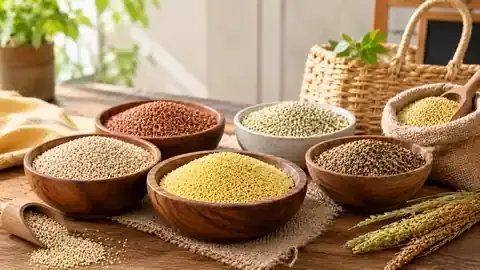
Where to Buy Millets: Practical Tips for Choosing Quality Millets
Millets have moved from village kitchens back into everyday meals across the country, and many households now ask the same question: where to buy millets that are fresh, clean and truly whole? The answer depends on the type of millet, the way it will be cooked and the source that supplies it. This blog explains where to buy millets, from local stores and farmers' markets to supermarkets and online sellers, and shows how to buy good quality millets with a few simple checks.
Know the Millets Before You Shop
A little background makes every purchase easier and helps in deciding where to buy millets, since some grains are easier to find in certain places. The main types of millets look different, cook differently and suit different dishes, so knowing what each one offers helps you ask for the right grain. The table below lists the most common types of millets found in Indian markets.
| Millet | Appearance | Common Use |
|---|---|---|
| Ragi (finger millet) | Small, round, reddish-brown grains | Porridge, dosa, roti, health mix |
| Foxtail millet | Pale yellow, fine grains | Upma, pongal, rice replacement |
| Kodo millet | Small, brown, slightly rough grains | Rice dishes, khichdi |
| Little millet | Tiny, light cream grains | Pongal, curd rice, upma |
| Barnyard millet | Small, white, round grains | Fasting dishes, khichdi, kheer |
| Pearl millet (bajra) | Round, grey to slate grains | Roti, porridge, laddu |
| Sorghum (jowar) | Large, round, cream to pale red grains | Roti, dosa, popped snacks |
Most of these are sold as whole grain, which is the form that keeps the bran intact. Many are also available as polished or hulled millets, flour and ready mixes, and each form suits a different kitchen routine.
Local Stores and Farmers' Markets
A neighbourhood grain store is often the first stop for anyone wondering where to buy millets close to home. A quick search for millets near me usually leads to provision shops, organic stores and weekly farmers' markets, all of which let you see the grain before it goes into the bag.
Loose grain can be inspected closely. Pick up a handful and check that the grains are even in size, dry to the touch and free of dust, husk and tiny stones. Ask whether the grain is whole or dehulled, because removing the bran lowers the fibre content of millets noticeably. Farmers' markets also give a chance to ask the seller about the farm, the harvest season and the way the grain was cleaned, which makes them a good answer to where to buy millets when freshness matters most.
Supermarkets and Packed Millets
Supermarkets are another dependable answer to where to buy millets, especially for packed grain, flour and mixes. A packed product makes comparison simple because every detail sits on the label. Look for the name of the millet, the net quantity, the packing date, the batch number and the expiry date, along with the nutritional information and the name of the packer.
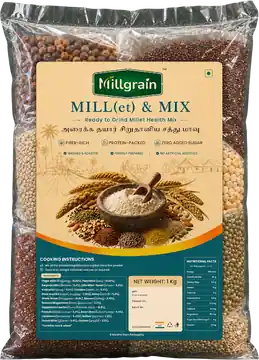
The Millets Grading and Marking Rules, 2024 also ask for a grade mark on packed millets, so a visible grade on the pack is a good sign of carefully sorted grain. Read the ingredient list as well. A pack sold as a millet mix powder should state each millet and its proportion clearly, and a pack of whole millet should list only the grain itself.
Where to Buy Millets Online
Many shoppers now choose to buy millets online because the full range sits in one place, from whole grain to flour and ready mixes. For people who live far from a specialty store, a reliable millets shop online India shoppers trust is a convenient option, and it also makes it easy to try less common grains such as kodo millet and barnyard millet.
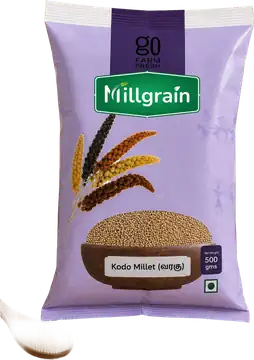
Knowing where to buy millets online with confidence starts with a few simple habits:
- Read the product description fully, and confirm the millet type and the form, such as whole grain, flour or mix.
- Check the ingredient list and how much millet a blended product contains.
- Look at pack photos for label details such as packing date, storage advice, and food safety certification.
- Read customer reviews for comments on freshness, cleanliness and cooking results.
- Prefer sellers that say clearly where the grain is grown and describe how it is cleaned and packed.
The best place to buy millets online is a seller that shares these details openly, since clear information is the easiest sign of care.
How to Buy Good Quality Millets
The same simple checks work in a store, a market or an online listing, so they suit any choice of where to buy millets. They also answer the common question of how to buy good quality millets. Start with colour. Each millet has its own natural shade, and the grains in one pack should look uniform and clean. Smell comes next, because fresh millets carry a mild, pleasant, earthy fragrance, and a clean, sweet smell is the sign to look for.
Moisture matters just as much. Dry grains feel loose and flow easily through the fingers, while damp grains clump together and do not store as well. Unpolished millets retain more of their natural fibre, so many families prefer them for daily cooking, and the well-known proso millet benefits are one reason whole grains remain popular. Polished or hulled millets cook faster and feel closer to white rice in texture.
Where to Buy Organic Millets
Organic millets are grown without synthetic pesticides or chemical fertilisers, and many households prefer them for everyday meals. Anyone who wants to know where to buy organic millets can look in dedicated organic stores, farmers' markets run by growers and online sellers that say clearly where the grain comes from.
Certification is the most reliable sign. Look for an organic certification mark or a statement about the grower on the pack. Many families also ask whether millets are gluten free, and the answer is yes, organic or not.
Whole Millets vs Millet Flour: What to Choose
The decision between whole millets vs millet flour depends on the dish. Whole grain suits porridge, upma, pongal and rice-style dishes, and it keeps well for months when stored properly. Many households first try whole millets in place of rice, and the millet vs rice comparison shows how the two differ. Flour suits dosa, roti, idli batter and baking, and it saves time because the grinding is already done.
Flour needs more care after purchase, since the grain is exposed to air and loses its freshness sooner. Both forms are easy to find, so the choice of where to buy millets does not limit the choice of form.
Storing Millets After You Buy
Good storage protects the quality you worked to find when deciding where to buy millets. Transfer the millets to a clean, dry, airtight container as soon as they reach home, and keep it in a cool place away from sunlight and moisture.
Properly stored whole millets stay fresh for a few months in these conditions, while flour is best used within a few weeks. Label each container with the millet name and the purchase date so that the oldest grain is used first.
Choosing the Right Source for Your Kitchen
Deciding where to buy millets comes down to clean, fresh grain, clear labels and honest information about the source. Local stores give a chance to inspect the grain, supermarkets bring clear labelling and online sellers bring wide variety. Pure Organic foods such as whole millets, flours and mixes make it easier to build a pantry of wholesome grains for everyday meals. Readers who wish to begin can choose one millet, such as ragi or foxtail, cook a simple porridge or upma, and explore the wider range of millets from there.
Frequently asked questions
Which is the best place to buy millets?
The best place to buy millets is a source that offers fresh, clean grain with clear labels, whether it is a local store, a farmers' market or an online seller. Checking colour, aroma and packing date helps confirm quality in any of them.
How can I buy good quality millets?
Choose grains with an even colour, a mild earthy aroma and a dry, loose feel, with very little husk or dust. Packed millets should show the millet name, packing date, batch number and expiry date on the label.
Is it safe to buy millets online?
Yes, buying online works well when the seller shares full product details, ingredient lists and clear photos of the label. Reviews from other shoppers also help confirm freshness and cleanliness.
Are organic millets better than regular millets?
Organic millets are grown without synthetic pesticides or chemical fertilisers, which many households prefer for everyday meals. Both kinds are nutritious grains, and the choice depends on personal preference and the source.
How long can millets be stored at home?
Whole millets stay fresh for a few months in an airtight container kept in a cool, dry place. Millet flour is best used within a few weeks for the freshest flavour.